Clearing Obstructions That Stop Main Line Flow
Sewer Line Cleaning in Terrell for roots, grease, scale, and buildup affecting main drains in residential and commercial properties
Main sewer line obstructions differ from sink or bathtub clogs because the blockage sits downstream of every fixture, causing backups that affect toilets, floor drains, and multiple plumbing groups simultaneously. Roots penetrate through joints and cracks, grease hardens into restrictive layers along the pipe walls, and mineral scale accumulates over years of wastewater flow, eventually reducing capacity until normal use triggers a backup. Always On Point Plumbing LLC provides sewer line cleaning in Terrell for obstructions that camera inspection confirms can be cleared without requiring pipe replacement, restoring flow while identifying conditions that could cause the problem to return.
The process begins with a camera inspection that reveals what's blocking the line, where the obstruction sits, and whether the pipe itself has sustained damage that cleaning alone won't address. You learn whether roots have merely filled the pipe or cracked it open, whether grease buildup is recent or has hardened into a coating that requires mechanical removal, and whether the pipe remains structurally sound or has deteriorated to the point that clearing the blockage only postpones a replacement project by months.
Schedule a sewer line evaluation to determine whether the obstruction responds to clearing or whether physical pipe damage requires a different approach.
What Proper Sewer Line Clearing Requires
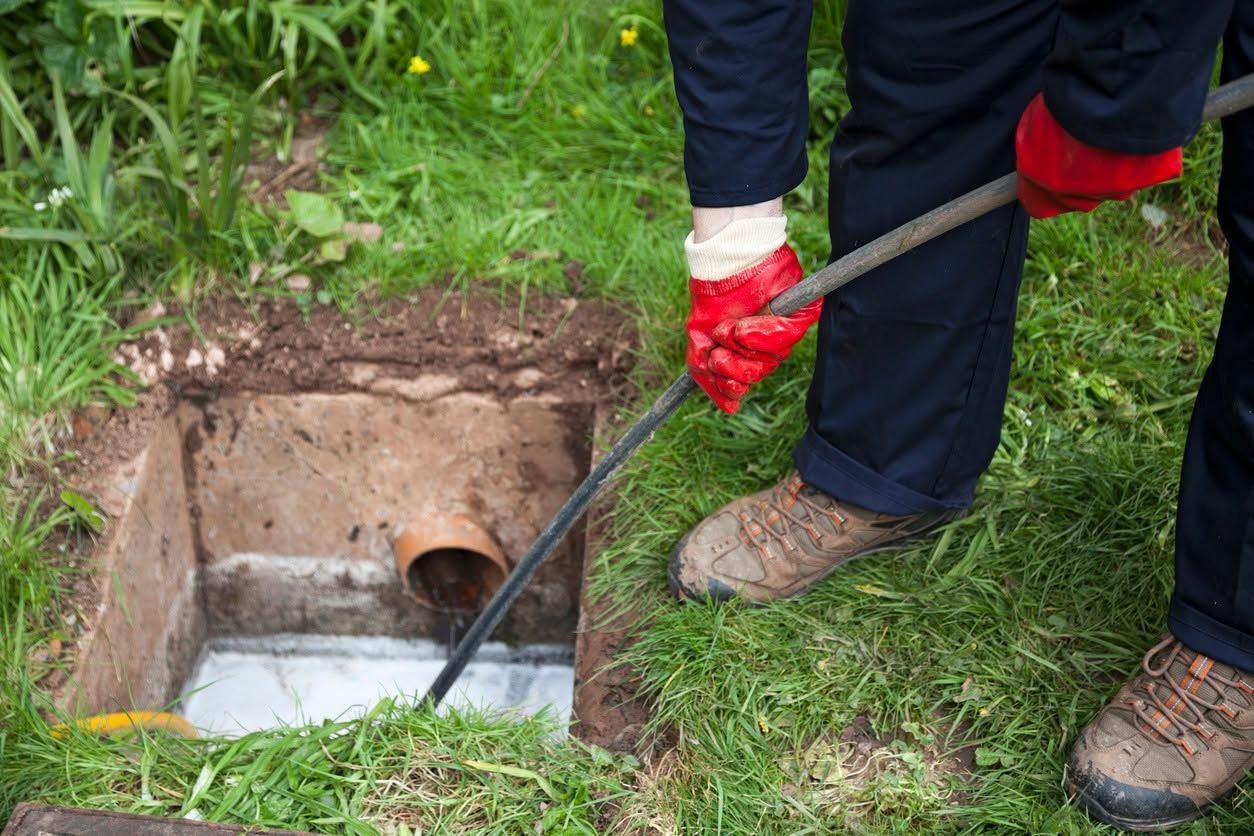
Clearing a main sewer line involves feeding a mechanical cable through the obstruction to break up roots, dislodge compacted debris, and restore flow, followed by camera verification to confirm that the line is clear and the pipe walls haven't sustained damage during the clearing process. The camera also checks for conditions that promote rapid re-obstruction, such as low spots where standing water encourages bacterial growth, offset joints that catch debris, and cracks that will allow roots to re-enter the pipe within months.
After clearing, wastewater drains normally from every fixture, toilets flush without backing up into lower-level drains, and you regain full use of the plumbing system. The service includes documenting any pipe defects revealed during the inspection so you understand whether the line will require monitoring, preventive maintenance, or eventual replacement to prevent future failures.
Always On Point Plumbing LLC distinguishes between obstructions that respond to clearing and structural damage that requires excavation and repair, ensuring you invest in the service that actually resolves the problem rather than temporarily masking symptoms of a failing pipe. The company does not advertise methods until the inspection confirms which approach suits the specific obstruction and pipe condition.
What Property Owners Usually Ask
Sewer line blockages affect entire plumbing systems and often recur when the underlying cause isn't addressed, so understanding what the camera reveals and what the clearing process involves helps you recognize when the problem requires more than routine service.
What causes roots to grow into sewer lines, and how does clearing address the problem?
Tree roots grow toward moisture escaping through pipe joints and cracks, eventually penetrating the line and expanding until they block flow, and clearing removes the root mass but doesn't seal the entry point, meaning roots will return unless the pipe is repaired or replaced.
How does sewer camera inspection determine whether clearing is appropriate or pipe replacement is necessary?
The camera shows whether the obstruction sits in a sound pipe that will function normally once cleared or whether the pipe has cracked, collapsed, or shifted to the point that clearing only provides temporary relief before the next backup occurs.
Why do some sewer lines in Terrell properties experience recurring grease buildup even after professional clearing?
Grease accumulates when wastewater cools below the temperature required to keep fats liquid, and pipes with insufficient slope, rough interior surfaces, or sections where flow slows allow grease to adhere and build up faster than it can be flushed through to the municipal main or septic tank.
What happens if the camera inspection reveals damage after the line has been cleared?
Always On Point Plumbing LLC provides a detailed explanation of the damage, its location relative to the property line, and an estimate for the excavation or trenchless repair required to prevent the obstruction from returning through the same crack or joint.
When should property owners schedule a sewer line evaluation instead of assuming the problem is a simple clog?
If drains slow across multiple fixtures simultaneously, if backups occur in lower-level plumbing when upper-level fixtures drain, or if you notice sewage odors near the building perimeter, the obstruction likely sits in the main sewer line rather than an individual drain trap.
Always On Point Plumbing LLC uses camera inspection to identify the cause and location of main sewer line obstructions before recommending a clearing or repair strategy, ensuring you understand what's blocking the line and whether the pipe condition supports a durable solution. Arrange a sewer line evaluation to review your system and receive service recommendations based on inspection footage rather than assumptions.